


A packaging line can feel like a moving puzzle. Products arrive in waves. Cases need filling. Timing matters more than most people realise. When one step slows down, the rest often follows. That is why manufacturers continue searching for practical ways to improve efficiency. Automation has become an important part of that effort. Modern systems help products move with greater consistency while reducing delays that can affect production targets. The goal is simple. Keep operations flowing smoothly while maintaining quality and supporting the demands of a fast-paced manufacturing environment.
Speed Matters Beyond Production Counts
Higher output is often the first benefit people think about when discussing automation. Yet speed alone tells only part of the story. Faster processes also help prevent backups and reduce idle time between production stages. Efficient carton loading creates a stronger connection between packaging activities and overall plant performance. Products spend less time waiting and more time moving toward shipment. This continuous flow helps facilities maintain momentum throughout the day while supporting delivery schedules that customers and distributors increasingly expect.
Smarter Equipment Handles More Variety
Manufacturing rarely follows the same pattern every day. Product sizes change. Packaging styles evolve. Customer demands shift. Equipment must keep pace without becoming difficult to manage. Flexible automation helps manufacturers respond to these changes with greater confidence. Systems designed for adaptability can support multiple product configurations while maintaining dependable performance. This flexibility reduces disruptions during changeovers and allows facilities to manage a wider range of packaging requirements. As production needs continue evolving, adaptable solutions become an increasingly valuable asset.
Reliable Placement Reduces Interruptions
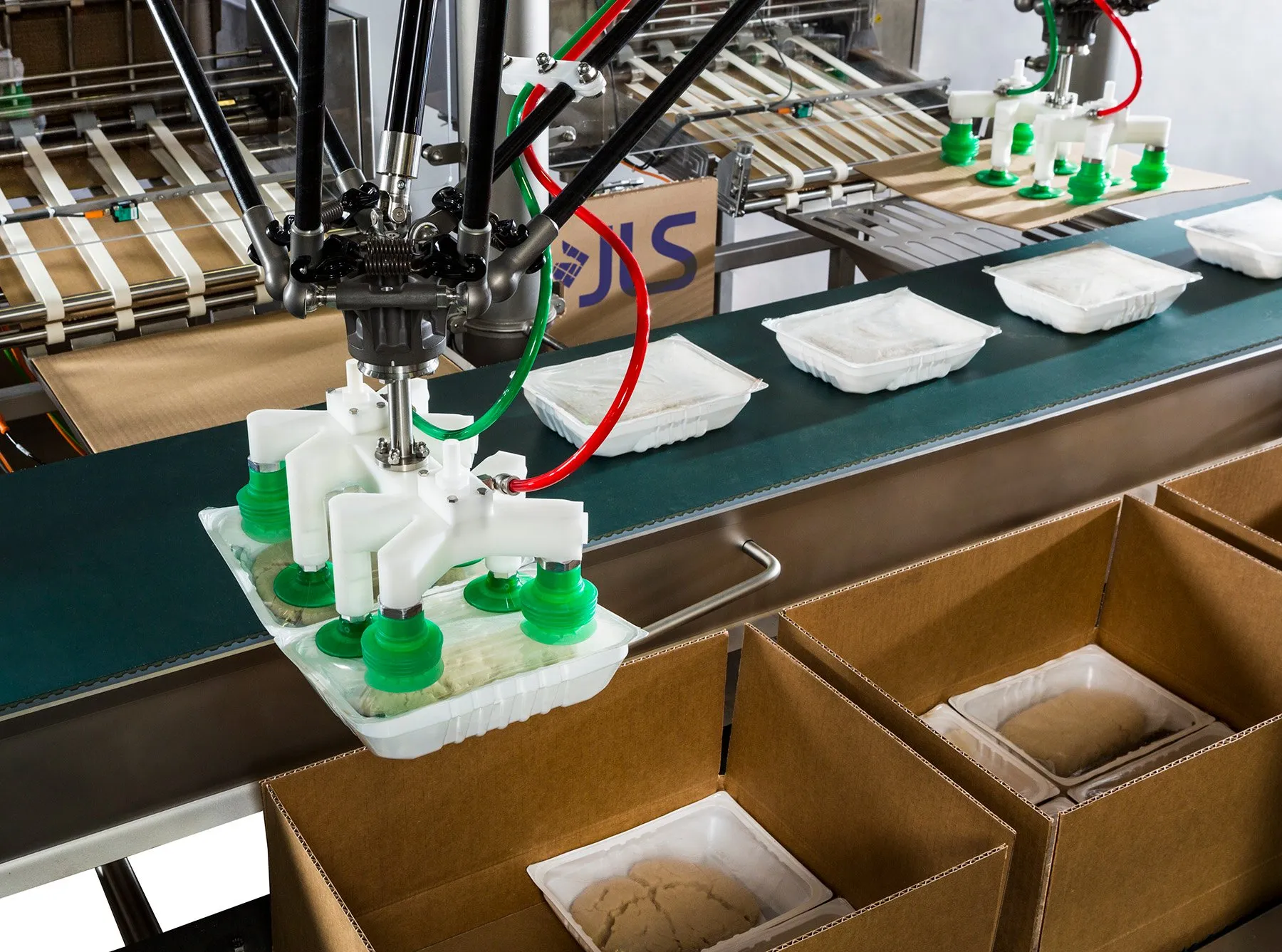
Consistency has a powerful effect on packaging operations. Products must be positioned correctly each time they enter a case. Even small errors can create delays that spread through the line. Modern robotic case packers help reduce these challenges by delivering precise and repeatable movements. Their ability to perform the same task accurately throughout long production runs supports smoother workflows. Teams spend less time addressing placement issues and more time focusing on broader operational goals that contribute to overall efficiency.
Supporting Better Workplace Efficiency
Automation is not simply about replacing manual activities. It is also about helping employees focus on higher-value responsibilities. Repetitive packaging tasks can require significant attention and physical effort over time. Automated systems reduce some of that workload while allowing workers to concentrate on quality control, process monitoring, and operational improvements. This balance creates a more efficient production environment. Facilities often discover that automation supports both productivity and workforce effectiveness, creating benefits that extend beyond packaging performance alone.
Building Capacity For Future Growth
Business growth often arrives with new challenges. Increased demand requires equipment capable of handling larger production volumes without sacrificing consistency. Packaging systems designed for scalability help companies prepare for those changes before they become urgent. Reliable automation provides a foundation that supports expansion while maintaining operational stability. Instead of constantly adjusting to production pressures, facilities gain tools that help manage growth more effectively. This long-term approach allows manufacturers to remain competitive while continuing to meet evolving customer expectations.
Conclusion
Modern packaging operations benefit from solutions that improve flow, support accuracy, and create greater efficiency throughout production. Advanced automation helps manufacturers manage changing demands while maintaining dependable performance across packaging lines. As facilities continue seeking ways to strengthen operations and prepare for future growth, innovative technologies remain an important investment. Companies exploring these opportunities can discover packaging solutions designed for long-term operational success.